The Basics of Cat Health
- keep it simple and natural
What are the basics of cat health? I believe it is to keep in step with Nature, to keep things simple and to be very observant of your cats needs.
What is Meant By Being in Step With Nature?
When you consider that wild cats (in the wild, not zoos) are very successful, that they are found all over the world except the Antarctic, they must be doing a lot right.
They don't suffer with the complicated health issues that so plague modern domestic cats.
Let's list the main points of a wild cat:
- they are free to wander where they want, to eat what they want, to choose their own mate
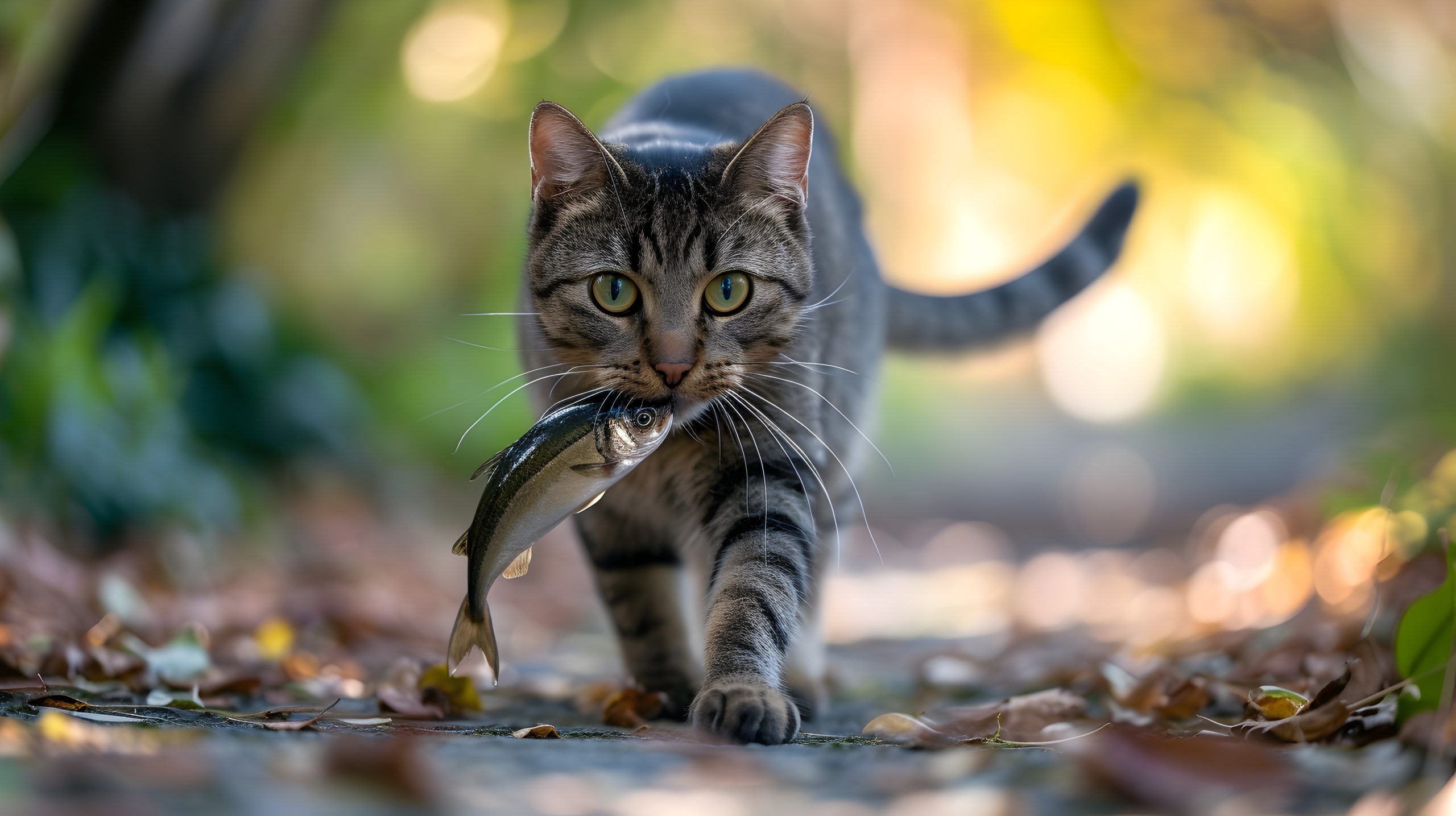
- they consume the suitable prey of the area - all of which consists of raw meat, organs and bones
- they instinctively know what they need when they need it, in regards to the health benefits of various plants, sun, earthing, fasting, etc
How To Keep it Simple
While our cats have adapted remarkably well to living with us, their health and longevity is at an all time low compared with 50 odd years ago.
While people are often very concerned and want to improve on that, it's important to understand the importance of what you do rather than just buy supplements a vet has recommended.
The Basics of Cat Health
Referring back to the wild cats lives, one thing really stands out for me.
The diet.
Most of us are well aware that diet is important.
But perhaps not just how important.
It isn't just the quality of the food that's important. It's also whether it is appropriate for the species. Getting that right is essential.
I suggest you have a look at the ingredients on the food you currently feed your cat. Chances are it contains a lot of plant based food, some meat meal and a load of chemical 'nutrients'.
Would you say that this is rather a long way from the wild cat's diet?
Cats, as carnivores, do not have the ability to digest and utilise plant based food, outside of what they use for medicinal purposes - such as eating grass, which is usually immediately vomited back up.
Meat meal is the product of slaughter house waste cooked at high pressures and temperatures for extended periods of time. Nothing close to meat.
Cats are extremely sensitive beings and do not cope well with chemicals in the food, their environment or in their medication.
Be Observant
As most of us are unable to communicate directly with our cats, we have to be very observant. That doesn't mean we should be fussy or worry about little things. It means we should observe and take note.
Behaviour can tell us a lot about someone's level of health, outside their normal behaviour.
I once had a lovely, peaceful, calm, loving cat who became irritable, even angry, on the drug a vet had prescribed. Once I stopped it, her natural nature returned.
Another time a cat became so unbalanced on a vet drug, he fell into the toilet. How could a cat, with all their superior balancing skills, become unbalanced?
It isn't just the vet meds that show up in behaviour. Increased thirst for a cat who is not fed the dreadful dry kibble indicates serious problems with their kidneys.
Unusual fear could indicate someone has been teasing your cat or treating them disrespectfully.
Lack of grooming, increased sensitivity to cold, lameness, the list is endless.
Things Mount Up With Time
Most young cats do not show health issues. However as they age, the toxins have mounted up, the poor nutrition is showing up as 'diseases', the lack of respect for the natural desires leads to resignation.
All is not well!
What can you do?
Always Return To The Basics of Cat Health
While it is obviously better to start your cat on a good, nutritious, raw diet from day one, it is never too late to start. The effect far exceeds adding in various supplements or vet meds. And it can be immediate.
One cat I treated lost his aggression overnight, on the first meal! The commercial food was fuelling his behaviour.
You have to right the wrong.
Depending on the age of your cat and the treatments to date, an overnight improvement may not be possible, but there are usually signs of improved health within a week or less.
Additional Support
Learning the basics of cat health is your job. A good raw diet heals so much. But not always everything.
You may need support.
You may need help with getting the diet right. I know I did.
And you may need to know how homeopathy can gently and permanently heal diseases both mild and serious, that diet alone can't.